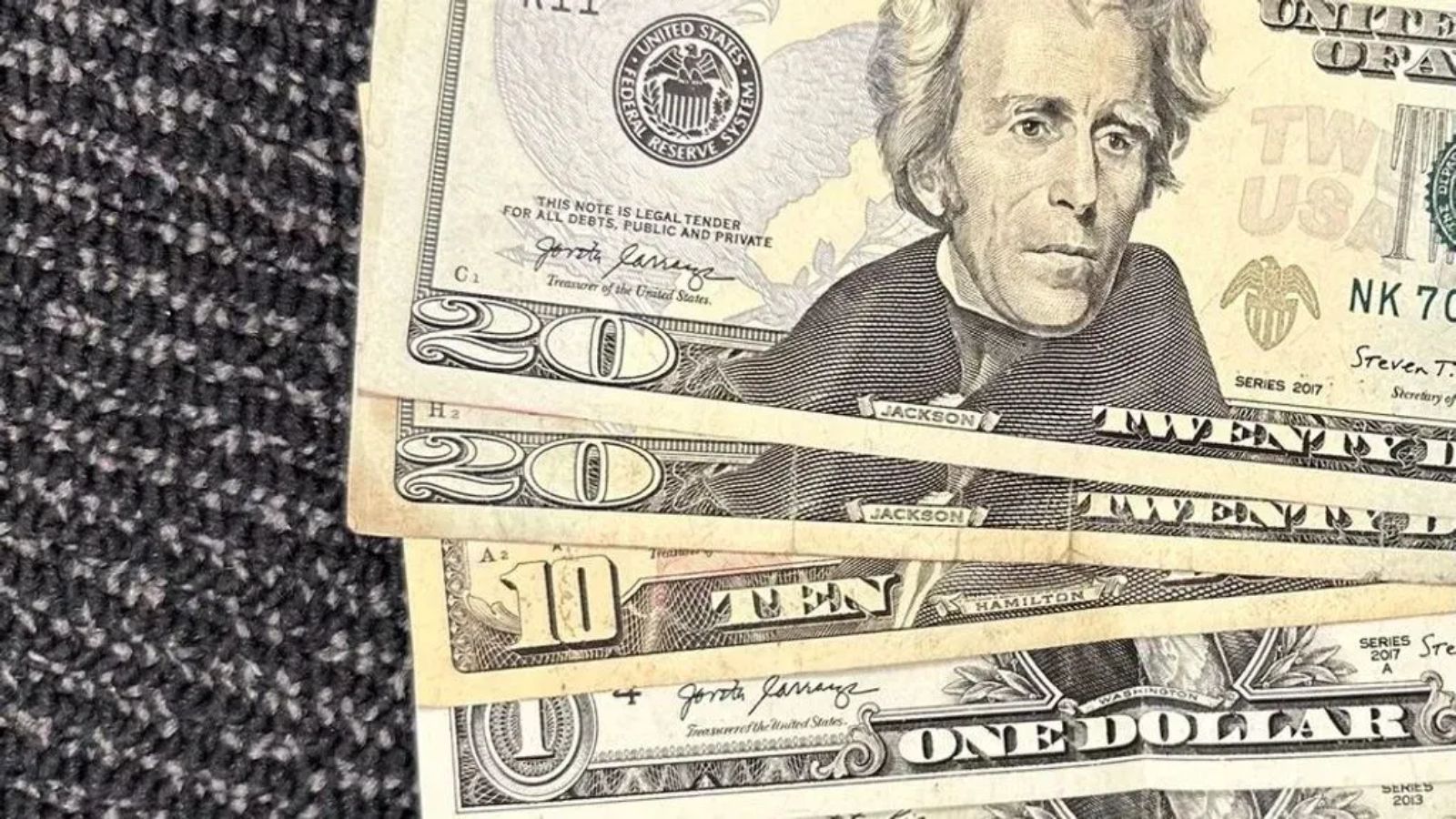
Minimum Wage Hike 2026: From January 1, new minimum wage increases started in many states and cities across the United States. These pay raises help more than 8.3 million workers, as shared by the Economic Policy Institute. Because of these changes, workers across the country will earn about $5 billion more in total income. This money goes straight into workers’ pockets and helps them manage daily costs like food, rent, and transport.
Virginia Minimum Wage Rises in 2026: Here is the New Hike Rate
States lead the way in raising the minimum wagw
A total of 19 states officially raised their minimum wage for the new year, with significant increases in key regions. Among them are:
Other states that saw increases include Colorado, Connecticut, Maine, Michigan, Minnesota, Missouri, Montana, Nebraska, New Jersey, Ohio, Rhode Island, South Dakota, Vermont and Virginia.
Cities set Higher Pay Levels
Along with states, many big cities also raised their local minimum wages.
- Seattle increased its minimum wage to $21.30 per hour.
- Minneapolis also raised its rate to $16.37 per hour.
These cities face high housing and living costs, so local leaders decided workers need higher pay to survive comfortably.
City governments often move faster than states because they see daily struggles faced by workers. These local wage hikes try to give relief to people working in shops, restaurants, hotels, and other service jobs.
Nebraska Sets $15 Minimum Wage for Workers in 2026
Federal Wage still Stuck
While states and cities moved forward, the federal minimum wage stayed the same. It remains at $7.25 per hour, a rate that has not changed since 2009. This creates a big gap between states that raised wages and those that still follow the national rule. Many workers in federal minimum wage states struggle to cover basic needs.
Supporters of higher wages say these increases help workers buy more and live better. They believe higher pay supports fairness and balance in the workforce. Some business groups worry about higher costs, but many workers see the changes as long overdue.